

Tom Freeman
Co-Founder & Lead Developer
Full-stack developer specialising in high-performance web applications and automated monitoring.
Articles by Tom Freeman
Why a full week of data still wasn't enough
Last week we wrote about why we stopped reporting weekly performance deltas. A single week-on-week number was hiding what actually happened in between, so we replaced it with a 7-day score series and let the digest reason over the full week instead of two snapshots. That was a step in the right direction, but not the whole answer.
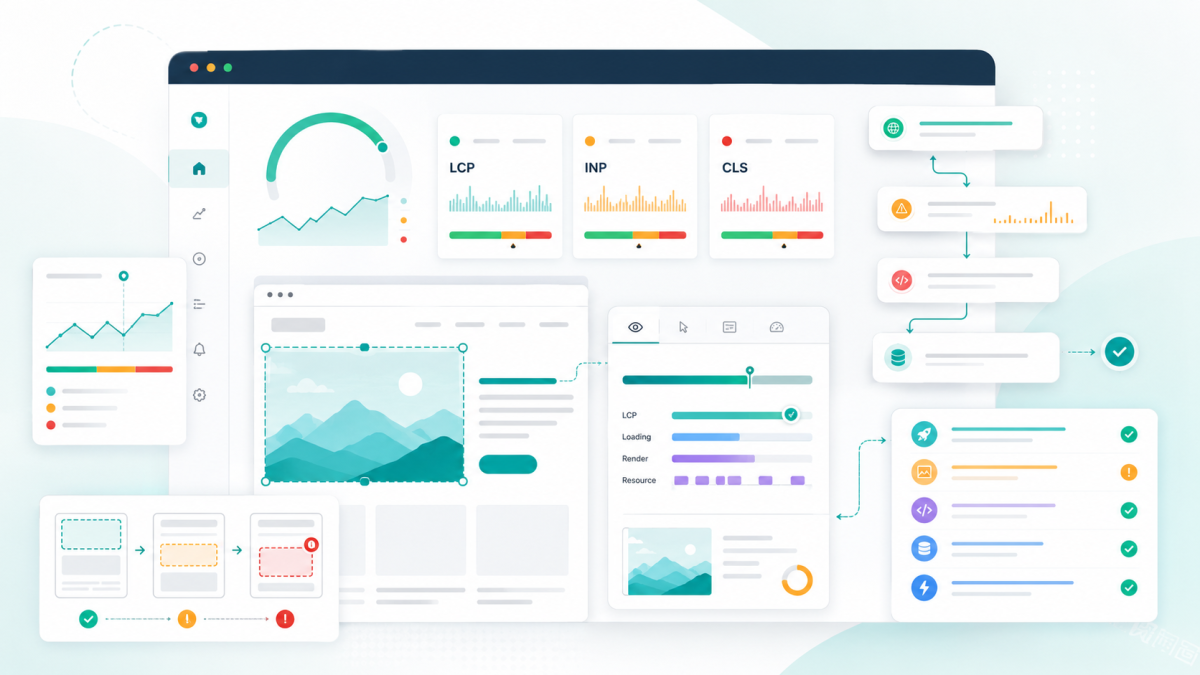
Core Web Vitals checks are useful. But they often stop just before the helpful bit.
We’ve improved SiteVitals performance reporting so it does more than tell you a metric is slow. It now helps explain why, what is involved, and what to investigate first.
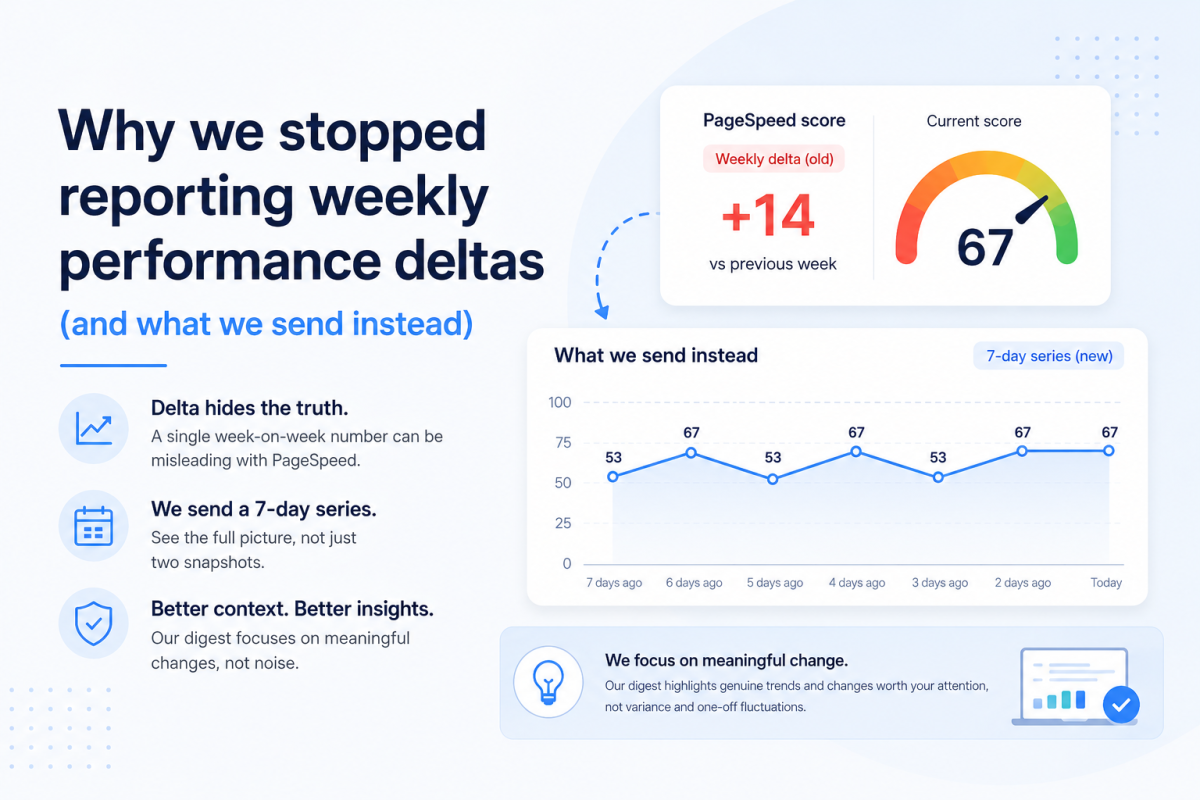
Why we stopped reporting weekly performance deltas
A single week-on-week number sounds precise. For PageSpeed in particular, the results over the week can vary hugely. Taking a single snapshot and deriving performance off the back of 2 values can be very missleading and misrepresent the actual situation.
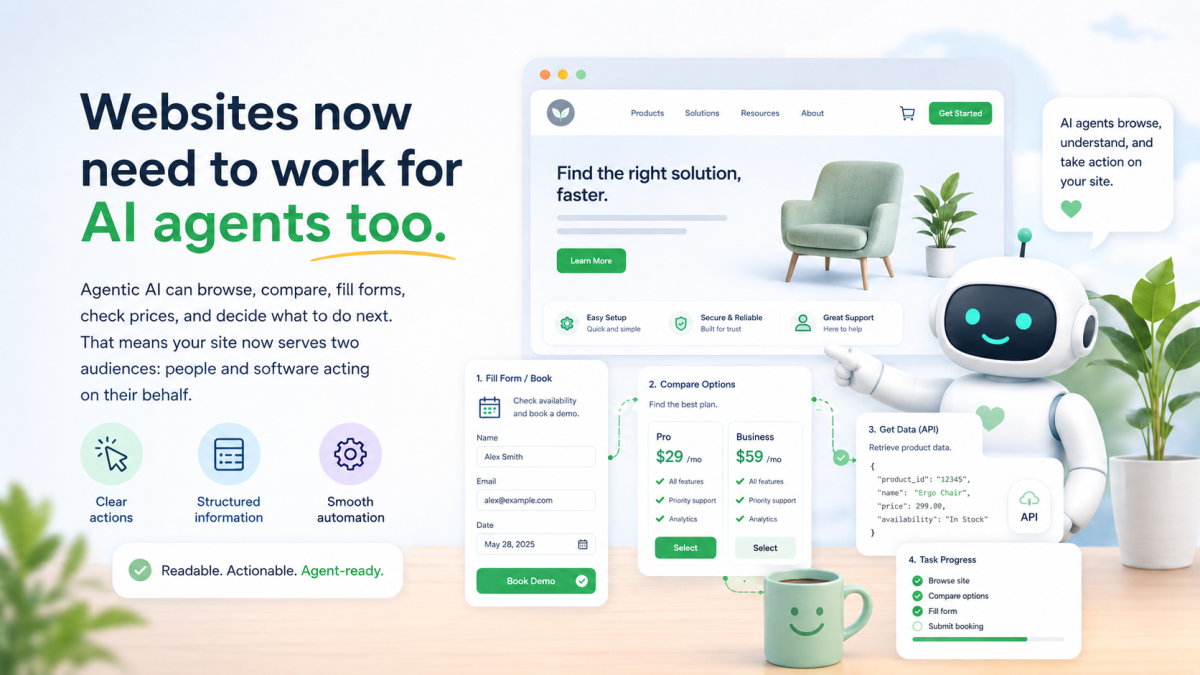
What Is "Agentic Website Use"? A Plain-English Guide
Agentic website use" means AI programs — not just people — visiting your website to complete tasks on someone's behalf, like checking your opening hours, filling in a form, or comparing your prices. It's happening now, and a website that's easy for people to use isn't automatically easy for an AI agent to use.
Is Your Website Ready for AI Agents?
Agentic AI browsing has gone from a research demo to a line item on your traffic logs in about eighteen months. Claude, ChatGPT, Perplexity's Comet, and a growing list of purpose-built agent frameworks are now visiting websites not to read them for a human, but to act on a human's behalf — filling in a form, checking a price, calling an API, deciding whether your site is even worth the trip. That's a different audience with different needs, and most of the web hasn't caught up.
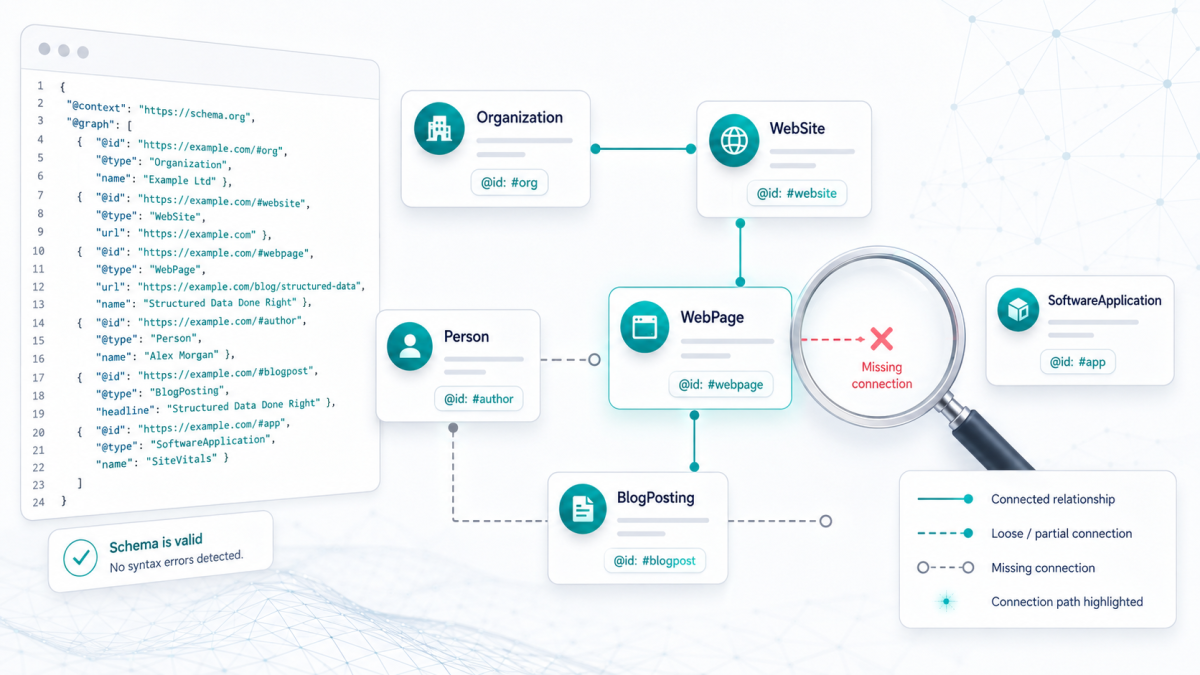
Your structured data can be valid and still fail to connect
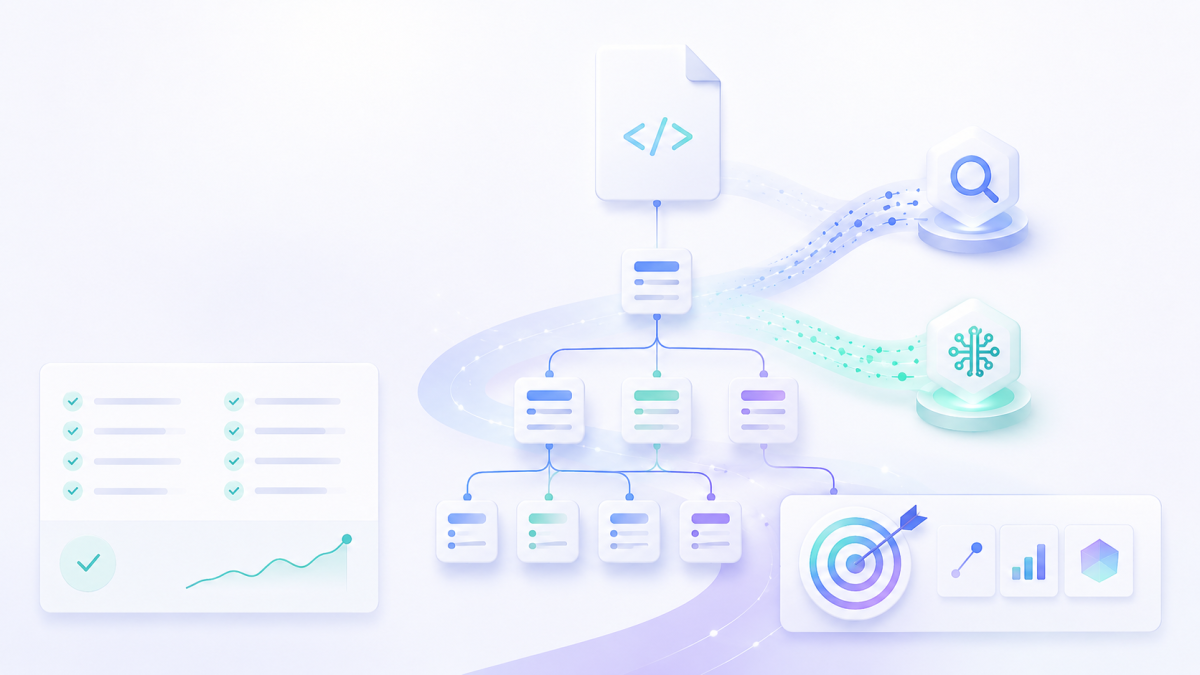
Structured data is meant to do more than list facts. It can explain that an article was written by a particular person, that the person works for an organisation, that the organisation publishes a website, and that the website offers a particular product or service. Together, those statements form a graph of related entities.
Why is my robots.txt file different to the one I created?
A while back, while setting up an early version of SiteVitals, I hit a problem that shows how every day is a school day on the Internet. I'd written a robots.txt file by hand. I knew exactly what was in it. I wanted certain AI crawlers to be able to reach the site, so I'd explicitly allowed them. Then I went to test it, and the bots I'd just allowed couldn't get in.
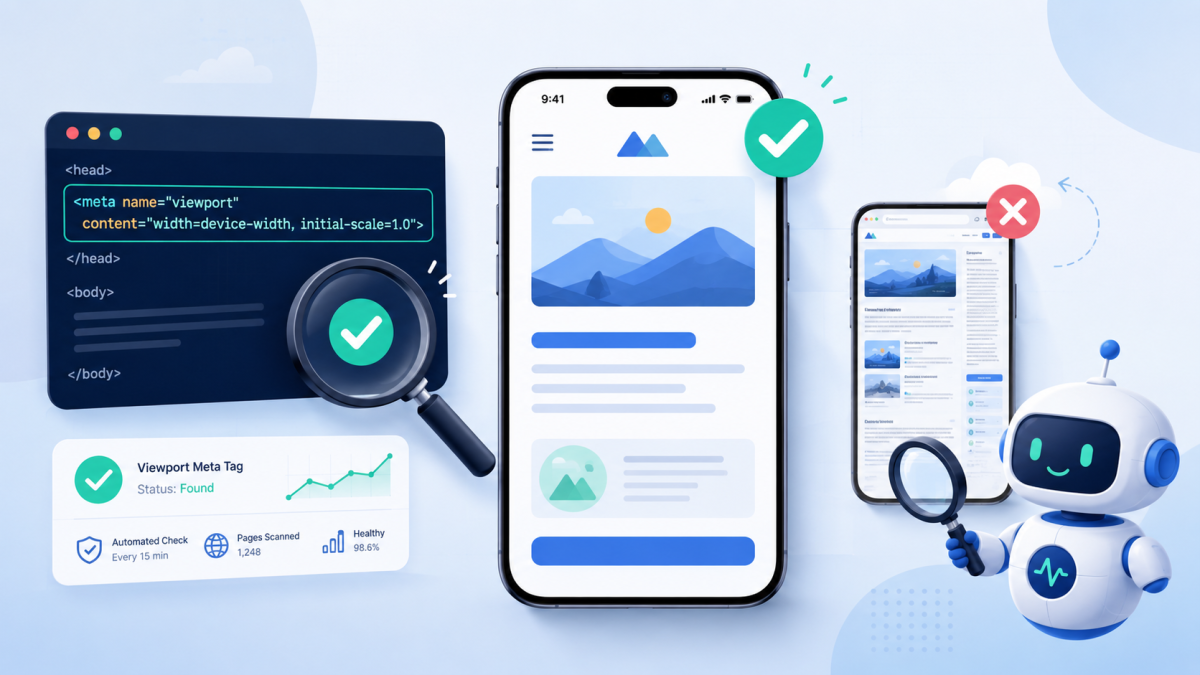
Why we now check for a viewport meta tag
We've added a small but useful check to SiteVitals seo monitoring: viewport meta tag detection. This single tag tells a mobile browser how to render the page. Without it, phones default to showing the page as if it were on a desktop screen, then shrinking the whole thing down to fit. It sounds more technical than it is. Here's what it means.
Do I even need a Sitemap anymore?
An XML sitemap is one of the last things most people think about when it comes to their website. It's just something that most CMS platforms generate automatically. You tick the box and move on. For the majority of sites, it is never really reviewed again - perhaps once when you submit it to Google Search Console, but that's probably it. But the audience for your sitemap has changed significantly recently, and it probably deserves more respect.
Why Internal Link Quality Is Now Part of Your SiteVitals SEO Score
Internal linking has always been one of those SEO fundamentals that gets mentioned in every checklist and then, largely, ignored. It sits below the fold of most audits — something to fix if you have time, after the title tags and the schema and the Core Web Vitals. We think that's the wrong priority order, and we've built a new check into SiteVitals to make the case.
What is your AI visibility score?
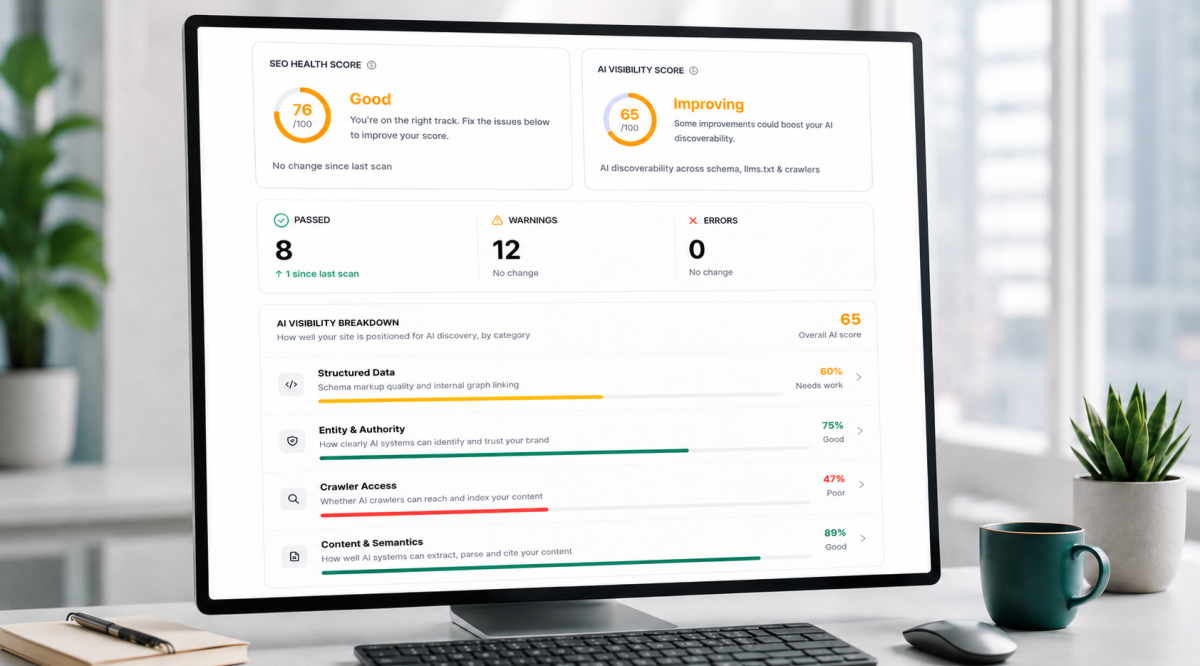
Your AI Visibility score is a number between 0 and 100. It tells you how well an AI system (ChatGPT, Perplexity, Google AI Overviews, a browsing agent) can find, parse, trust, and cite your website. A site can rank well in traditional search while being effectively invisible to AI. A site can have structured data and still fail entity disambiguation. The AI Visibility score isolates the signals that specifically matter to AI-assisted discovery, so you know where to focus.
We've Rebuilt the SEO and AI Visibility Dashboard
When we built the original SEO dashboard, the brief was straightforward: flag the technical issues that hurt search rankings. Missing title tags. Broken links. Noindex directives left in by mistake. But the landscape has shifted over the past few months and the list of things site owners and administrators need to consider to appear in AI-assisted search keeps growing and getting more complicated.